
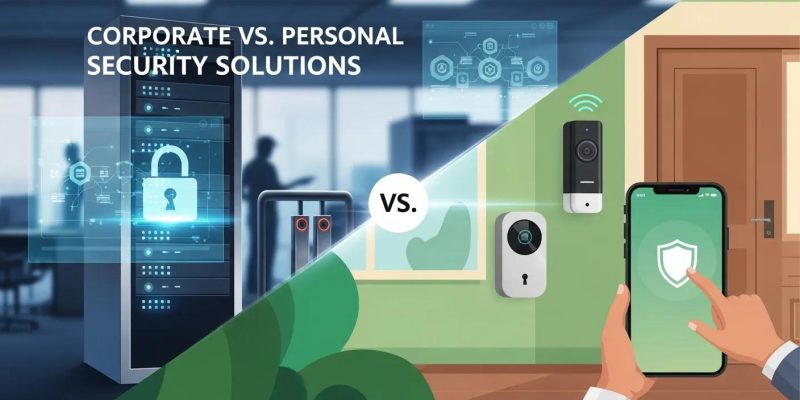
Corporate vs. Personal Security: A Practical Comparison
Threats are more varied and sophisticated today, so picking the right security approach matters. This guide breaks down the practical differences between personal protection and corporate security, helping you decide which fits your situation. Corporate security focuses on protecting business assets, operations and people; personal protection centers on the safety of an individual or household. We’ll define each service, highlight objectives and differences, and explain when one option is preferable—plus how Global Security and Investigative Services (GSIS) adapts solutions for clients across Texas.
What Is Corporate Security and How Does It Protect Your Business?
Corporate security encompasses the systems and services that protect a company’s people, property and information. Its purpose is to reduce theft, vandalism, fraud and operational disruption. When designed and executed well, corporate security prevents loss, supports a stable workplace and lets the business operate with confidence.
Defining Corporate Security Services and Their Scope
Typical corporate security services include armed and unarmed officers, electronic surveillance, access control, patrols and formal risk assessments. Solutions are tailored to each client: high-risk sites may need armed officers and strict access control, while other facilities benefit most from layered cameras, alarms and integrated monitoring.
Key Objectives: Safeguarding Assets, Employees, and Information
The primary goals are clear: protect physical assets, keep employees safe and secure sensitive information. Effective programs combine policies, training and technology—regular audits, staff awareness and incident response plans—to reduce the likelihood of theft, workplace violence or data compromise.
What Is Personal Protection and Who Benefits from It?
Personal protection covers services designed to protect an individual—or their household—from targeted threats. Typical clients include executives, public figures and high-net-worth families who face elevated personal risk. Services are tailored to the client’s routines, travel and public engagements.
Understanding Personal and Executive Protection Services
Personal protection includes close protection officers, secure transportation, venue and event advance work, and on-demand travel security. Executive protection places emphasis on anticipatory planning and a discreet, professional presence to prevent incidents and manage threats while a client moves through public and private environments.
Executive Protection Service Delivery & Client Engagement
Executive protection requires layered planning: advance work, clear client communication, and service delivery that balances security with comfort and discretion.
From Planning to Execution: The Multifaceted Role of an Executive Protection Specialist, 2025
Target Audiences: Executives, High-Net-Worth Individuals, and Families
Personal protection is common for senior executives, public figures, celebrities and families with elevated exposure. These clients may face risks such as stalking, targeted harassment or kidnapping; tailored protection helps them maintain daily life and travel with reduced risk and greater peace of mind.
What Are the Main Differences Between Corporate Security and Personal Protection?
Both areas aim to reduce risk, but they differ in focus and delivery. Corporate security protects systems and groups; personal protection safeguards a single person or household. Recognizing these distinctions helps allocate the right resources against the right threats.
Focus Areas: Organizational Assets vs. Individual Safety
Corporate security focuses on facilities, employees, inventory and proprietary information. Personal protection focuses on the safety and movement of an individual, with an emphasis on discretion and rapid response.
Service Approaches: Proactive Systems vs. Close Protection
Corporate programs rely on proactive systems—surveillance, access control, policies and centralized monitoring—to prevent incidents. Personal protection typically uses close protection officers and tactical planning to react quickly and keep the client safe in dynamic situations.
Executive Protection Tactics for Individual Safety
When threats appear, protection professionals position themselves to keep the client between the threat and escape routes, using controlled movement to de-escalate and extract when necessary.
The Executive Protection Professional’s Manual, 1997
Comprehensive Comparison: Corporate vs. Personal Security
To clarify these differences, the table below outlines key distinctions across several important aspects of corporate and personal security.
The Synergy of Corporate and Personal Protection
Corporate security and personal protection are distinct but complementary—especially for organizations with high-profile leadership. A comprehensive security strategy can integrate both: for example, a company may secure its headquarters while providing executive protection for its CEO during travel or public appearances. That combined approach protects organizational assets and key personnel across a full spectrum of threats, creating a cohesive, adaptable shield.
When Should You Choose Corporate Security or Personal Protection?
Choose based on who or what needs protection, the threat level and the operating environment. Assess likely risks, exposure of people or assets, and the operational needs of the location or individual.
Assessing Risk Profiles and Threat Levels for Businesses and Individuals
Start with a risk assessment: identify credible threats, vulnerabilities and the value of what’s at risk. Businesses tend to face opportunistic theft or insider threats; individuals may face targeted risks tied to profile or public exposure. Let those findings guide program design.
Budget, Discretion, and Specific Scenarios Influencing Your Choice
Budget and discretion matter. Corporate programs often require investment in systems and staffing across a site. Personal protection costs vary with coverage level, travel and visibility needs. For many clients, maintaining a low profile is as important as physical protection.
How Does Global Security and Investigative Services Tailor Security Solutions in Texas?
Global Security and Investigative Services (GSIS) builds security plans around each client’s operational realities and local conditions in Texas. We combine experienced personnel, vetted procedures and regional knowledge to deliver practical, reliable protection.
Customized Corporate Security Services for Texas Businesses
GSIS delivers corporate programs that include armed and unarmed guards, event security, construction site protection and integrated monitoring. We design solutions to fit the scale and risk profile of Texas businesses, prioritizing prevention and continuity.
Executive and Personal Protection Services with Local Expertise
GSIS also provides executive and personal protection—secure transportation, event advance work and close protection teams. Our local experience means routes, venues and regional considerations are handled proactively so clients move safely and discreetly.
Ready to Secure Your Future?
Whether you need robust corporate security for your business or discreet personal protection for you and your family, GSIS delivers tailored solutions. Contact us today for a comprehensive security assessment.
Frequently Asked Questions
What factors should I consider when choosing between corporate security and personal protection?
Consider who or what needs protection, the likely threats, the operating environment and how visible the client or operation is. Also weigh budget, hours of coverage and whether discretion is a priority. A focused risk assessment will point you to the right approach.
How can businesses assess their security needs effectively?
Begin with a formal risk assessment: list assets, identify vulnerabilities and map threat scenarios. Involve stakeholders, review incident history and consult security professionals to build a prioritized plan that aligns with operations and compliance needs.
What are the legal considerations for hiring personal protection services?
Confirm that providers and personnel are licensed and insured, and that contracts clearly define scope, authority and liability. Compliance with local and state regulations is essential—choose a reputable firm that documents training, licensing and legal compliance.
How do personal protection services ensure client privacy and discretion?
Professionals protect privacy through unmarked vehicles, plain-clothes agents, a minimized public footprint and controlled communications. Clear protocols and respect for client preferences keep protection effective without attracting attention.
What role does technology play in corporate security solutions?
Technology—surveillance, access control, intrusion detection and analytics, enhances detection and response and helps automate monitoring. When integrated with trained personnel and procedures, technology improves situational awareness and shortens response times.
Are there specific training requirements for personal protection agents?
Yes. Personal protection officers train in threat assessment, defensive tactics, emergency response, first aid and conflict management. Ongoing certification and scenario-based training keep skills current and aligned with best practices.
Conclusion
Understanding the difference between corporate security and personal protection helps you choose the right strategy for your exposure and objectives. Each approach offers distinct benefits, whether protecting a workplace or protecting an individual. Assess risks, consider operational needs and budget, and partner with an experienced provider like GSIS to build a fit-for-purpose security plan.