
Retail Security Services: Effective Theft Prevention Solutions and Liability Risk Management to Protect Your Business
By Humberto Barrera, Global Security & Investigative Services
In the fast-paced retail environment, the need for robust security services has never been more critical. Retail security services not only focus on theft prevention but also encompass liability risk management strategies that safeguard businesses from potentially devastating financial losses. This article will explore comprehensive solutions and strategies for effectively protecting retail businesses. From layered physical security measures to advanced fraud detection services, this guide will provide a nuanced understanding of how to implement these strategies. Given the increasing threat of shoplifting and employee theft, retail businesses must adopt a proactive security approach to mitigate risks and ensure customer safety. The following sections will delve into effective theft-prevention solutions, strategies for managing liability risk, and the role technology plays in safeguarding your assets.
Effective theft prevention solutions and liability risk management strategies for retail security services include:
Effective theft prevention and liability management strategies are essential to maintaining the integrity of retail operations. By implementing dynamic and multifaceted strategies, businesses can significantly reduce instances of theft while managing their liability risks. The following strategies represent key components of an effective security framework:
Layered Physical Security
Implementing layered physical security is vital in creating a formidable defense against theft. By combining various security measures, businesses can create a more resilient security posture. These measures should include reliable surveillance systems covering high-risk areas, along with alarm systems designed to prevent theft. Enhanced perimeter protection, such as motion sensors and security lighting, also plays a crucial role. Comprehensive surveillance footage can provide valuable evidence during incidents, aiding in the identification of suspects and ensuring accountability.
Access Control
Access control systems prevent unauthorized entry to sensitive areas within the retail business. By using technology such as keycards or biometric scanners, retailers can restrict access to areas housing valuable assets. Implementing a system that tracks employee movements can also enhance security by ensuring that only authorized personnel have access. This not only protects assets but enhances the overall security of the business by limiting exposure to potential internal threats.
Visible Security Presence
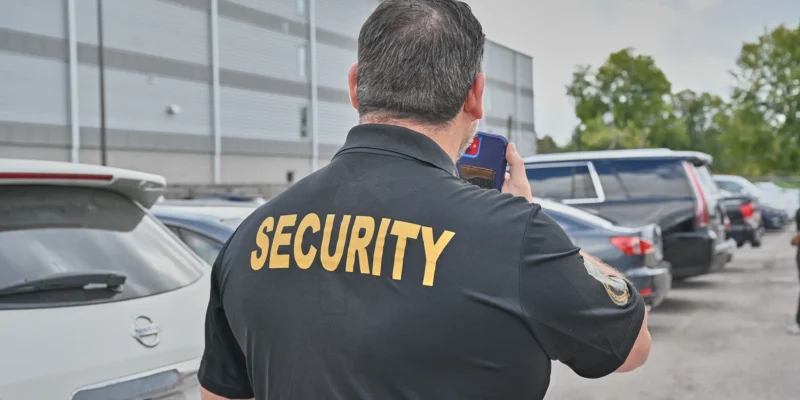
The presence of security personnel is an effective deterrent to potential thieves. A well-staffed security team provides rapid responses during emergencies and enhances overall environmental safety, contributing to customer confidence. By positioning security personnel strategically throughout the store, businesses can deter shoplifting and other dishonest activities. Additionally, visible security presence reassures customers, creating a more positive shopping experience.
In fact, retail security is a comprehensive management function, not solely the responsibility of a security department.
Retail Security as a Management Function
of a retail operation, as well as security operational procedures. In this sense, retail security is not only the responsibility of the security section but becomes a management function andA security risk management approach to stock shrinkage in the retail sector: a preliminary review, 2008
What are the most effective theft prevention strategies for retail businesses?
Retail businesses can implement various strategies to combat theft effectively. These strategies should focus on both physical security measures and employee training, ensuring that all aspects of the operation are fortified against potential threats.
How do shoplifting deterrents reduce retail theft?
Deterring shoplifting requires multi-faceted approaches, including visible security measures, technological solutions, and staff training. By focusing on strategies that raise awareness and foster a culture of awareness among employees and customers alike, businesses can effectively mitigate theft incidents.
Which loss prevention technologies protect retail assets?
Retailers must leverage advanced technology to safeguard their assets. Technologies such as RFID (Radio Frequency Identification) tags, electronic article surveillance systems, and data analytics tools play significant roles in contemporary loss prevention strategies. These systems help track inventory, monitor customer behavior, and alert security personnel to incidents in real time.
How can retail security guard services enhance theft and liability protection?
Security guard services provide an additional layer of protection for retail businesses. Trained security personnel can conduct surveillance, provide customer assistance, and serve as the first line of defense during theft incidents. Their presence alone is often enough to deter would-be thieves.
What roles do security guards play in preventing retail theft?
Security guards perform various responsibilities crucial to theft prevention. They monitor store activities, engage with customers, and ensure compliance with store policies. Training these personnel to recognize suspicious behavior contributes significantly to maintaining a secure retail environment.
How do patrol and monitoring services reduce liability risks?
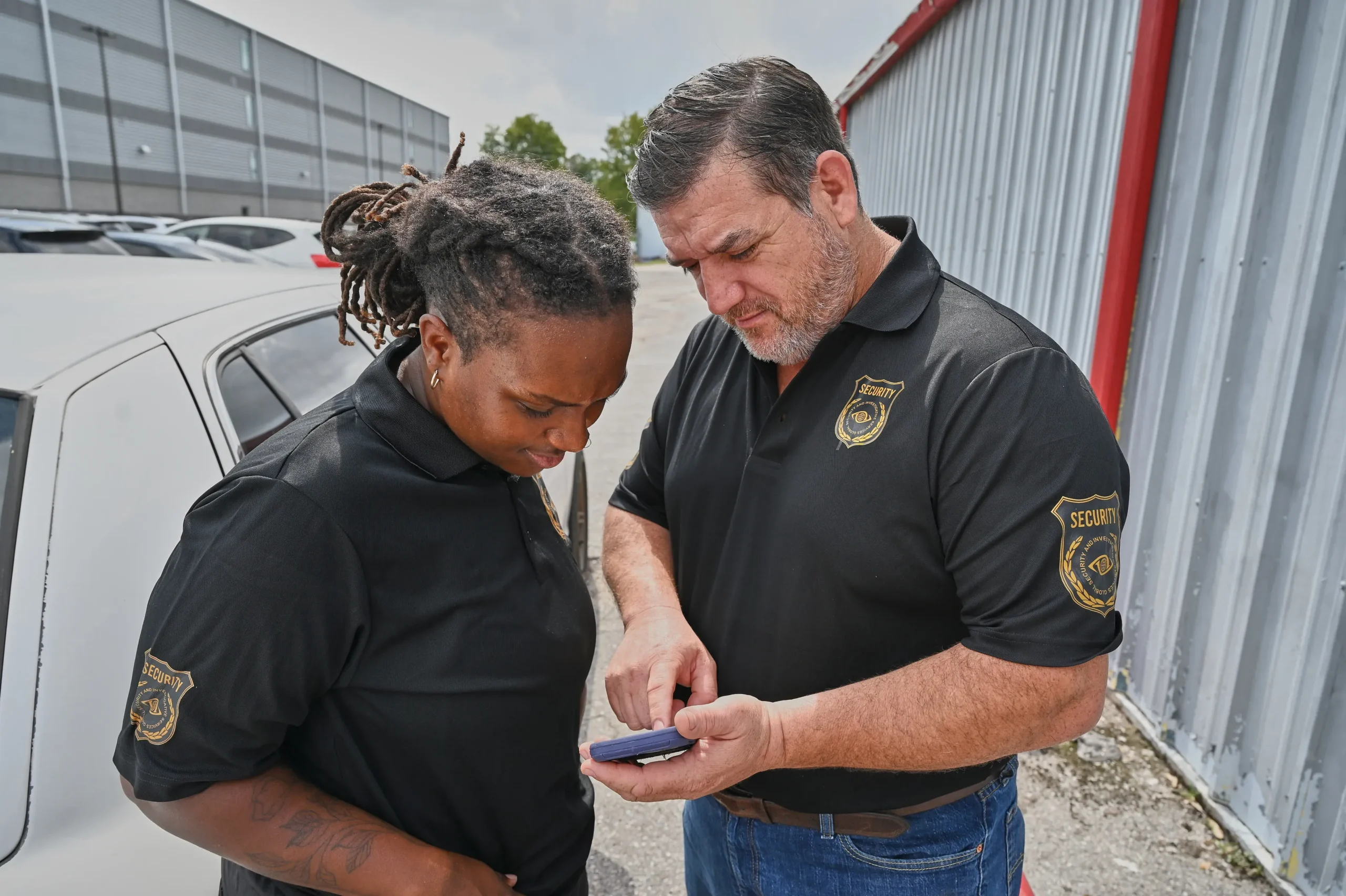
Routine patrols and monitoring services help identify and eliminate potential vulnerabilities in the retail setting. By maintaining an active presence, security personnel can address risky situations immediately. This proactive approach not only reduces theft but also mitigates liability risks associated with incidents occurring on the premises.
What are the key liability risk management practices in retail security?
Liability risk management in retail requires careful planning and implementation of strategies designed to protect the business from accidents or incidents that may lead to legal claims. Regularly reviewing policies, training employees on best practices, and ensuring compliance with safety regulations are crucial steps in managing risk effectively.
How does fraud detection support liability protection in retail?
Fraud detection systems play a vital role in safeguarding retail businesses from financial losses. Techniques such as transaction monitoring and anomaly detection can quickly identify potential fraudulent activity. By implementing these systems, businesses can reduce their exposure to fraudulent transactions and enhance overall security. Specialized fraud detection investigation services can further bolster this protection.
Research continues to explore both established and emerging technologies for enhanced retail fraud detection.
Analyzing Trends and Technologies in Retail Fraud Detection
We have analyzed the recent trends in retail fraud and various technologies used in detecting them. In this paper, we have also discussed the various advantages and disadvantages ofFraud detection and prevention by using big data analytics, 2020
Additionally, a key component of fraud detection involves identifying internal threats like fake item checkouts.
Detecting Fake Item Checkouts in Retail Stores
In this paper we address the problem of detecting fake item checkouts by cashiers in retail stores.
A new detection framework is proposed by merging data from video and TLog streamsA pattern discovery approach to retail fraud detection, P Gabbur, 2011
What litigation support services aid retailers in managing liability claims?
In the event of a liability claim, having access to litigation support services can significantly aid retailers. These services help gather evidence, such as surveillance footage and testimonies, to assist in building a solid defense. Retailers can benefit from comprehensive litigation support investigation services to manage these claims effectively.
How do integrated retail security services combine theft prevention and liability protection?
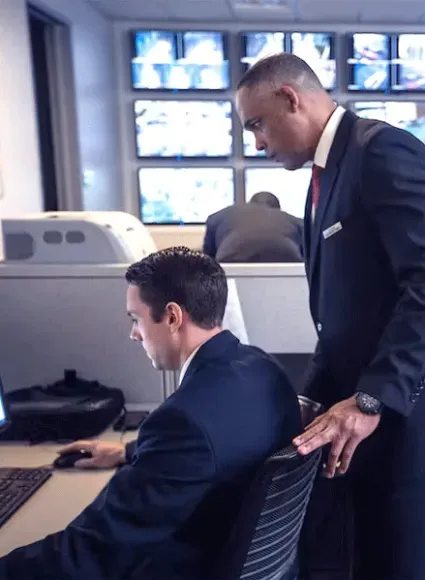
Integrated retail security services create a synergistic approach to safeguarding businesses. By combining components such as physical security measures, technology, and trained personnel, businesses can develop a comprehensive strategy that effectively addresses both theft prevention and liability protection.
Which technologies and services work together to prevent theft and reduce liability?
The effective integration of technologies such as CCTV, alarm systems, and RFID technology with services like security personnel and loss prevention training forms a multifaceted strategy against theft. Each technology complements the others, creating a cohesive framework that enhances overall security.
What recent trends are shaping retail security solutions in 2024 and beyond?
As the retail landscape evolves, emerging trends shape the future of security solutions. Businesses are increasingly adopting advanced technologies such as AI-driven analytics and mobile surveillance tools. These innovations not only enhance security but also streamline operations, allowing retailers to focus on providing excellent customer experiences while mitigating risks.
The growing complexity of retail operations necessitates adopting a proactive approach to security, utilizing advanced technology, and training personnel to support overall security strategies. Understanding insurance fraud claims is also crucial in managing overall business risks.