




Corporate Event Security Planning Guide for Texas Businesses: How to Ensure Safety and Compliance
By Humberto Barrera, Global Security & Investigative Services
Planning corporate events in Texas involves more than just logistics; it requires a comprehensive security strategy to ensure safety and compliance. Businesses must navigate various risks from crowds and the legal responsibilities they entail. This guide will explore essential considerations for corporate event security, with a focus on the unique challenges faced by Texas businesses. Readers will learn about pre-event preparations, personnel deployment, access control measures, and the importance of post-event reviews. Finally, we will discuss complying with Texas regulations to safeguard both the event and attendees, ensuring a secure environment.
Comprehensive Planning Guide for Corporate Event Security in Texas
A thorough approach to corporate event security in Texas encompasses several vital components. Understanding the unique elements of a security plan is essential for determining the best practices that align with Texas regulations. Companies must coordinate closely with local authorities and identify specific risks associated with their events. A well-structured plan not only secures the premises but also enhances the overall experience for attendees.
Pre-Event Planning

Pre-event planning serves as the foundation for a successful security strategy. Organizations should conduct comprehensive risk assessments to identify potential vulnerabilities associated with their event. Developing customized security plans tailored to these assessments is crucial. Coordination with local law enforcement and emergency services ensures proper support and resources are available. These preliminary steps set the stage for a secure event environment.
Personnel Deployment
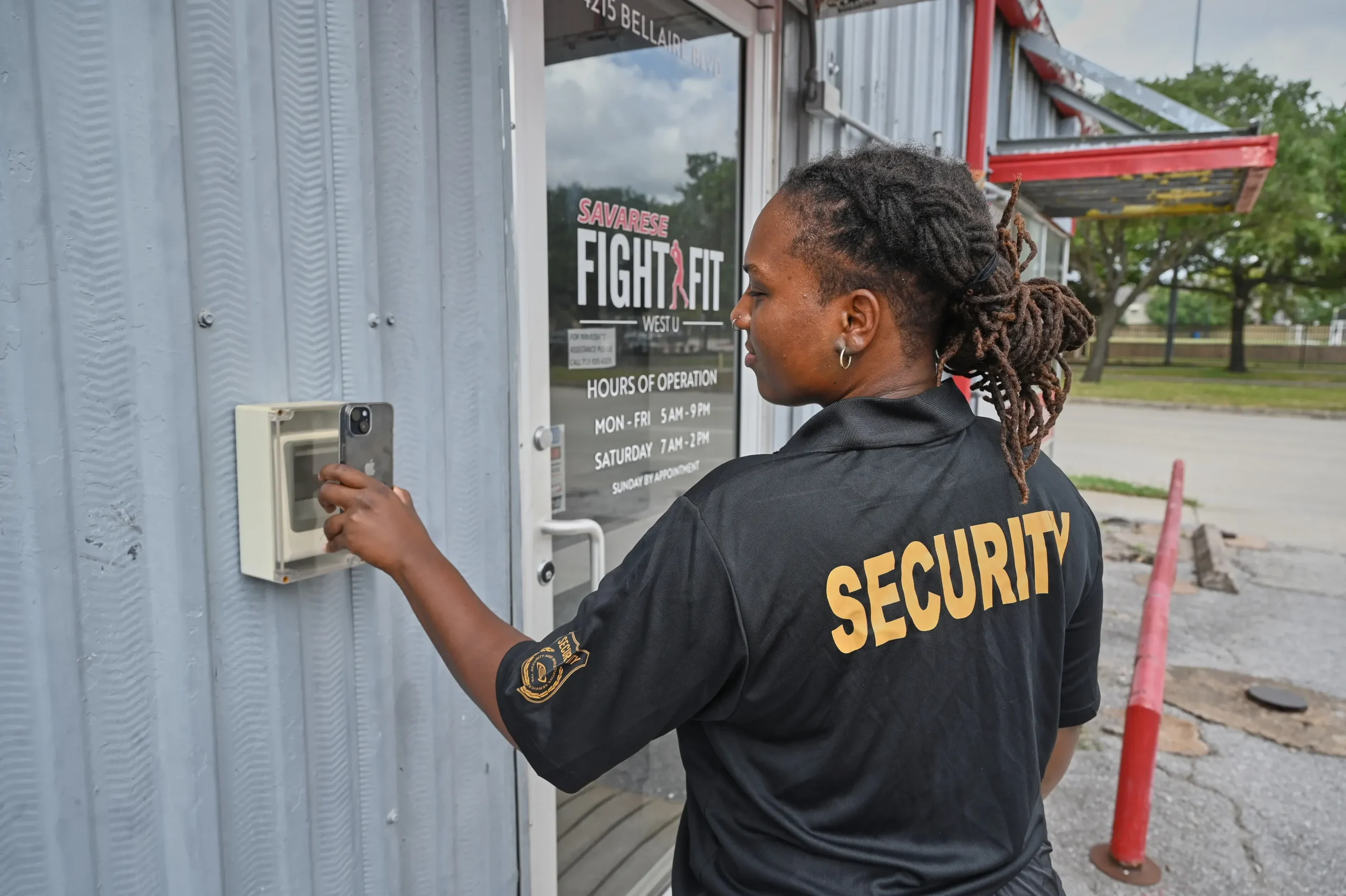
The effective deployment of security personnel is vital for maintaining order during events. Hiring trained security staff who are familiar with state regulations and compliance is essential. A visible security presence can deter potential issues and provide reassurance to attendees. It’s crucial to ensure all personnel understand their roles and responsibilities, fostering a coordinated response to any incidents.
Access Control Measures
Access control is key to preventing unauthorized individuals from entering the event. Implementing rigorous credential checks at various entry points minimizes risks. Controlled entry systems can include ticket scans or identification verification. These measures not only enhance security but also streamline the entry process, contributing to a more efficient event flow.
Crowd Management
Managing large crowds at corporate events requires careful planning and execution. Techniques for monitoring crowd flow can prevent overcrowding and enhance safety. Establishing clear emergency procedures ensures that staff and attendees know how to react to potential threats. Proactive crowd management strategies can significantly reduce risks associated with large gatherings.
Technology Utilization
Incorporating technology into event security can greatly enhance monitoring and response capabilities. Utilizing surveillance systems enables real-time monitoring of events and quick response to incidents. Communication tools for security personnel improve coordination and ensure that everyone is informed and able to act effectively.
Post-Event Review
Reviewing security measures after an event is essential for continuous improvement. Incident reporting and feedback collection from attendees can provide valuable insights into the effectiveness of security strategies. By analyzing these elements, businesses can refine their plans for future events, address any shortcomings, and enhance safety measures. To ensure comprehensive protection, businesses should be aware of potential insurance fraud claims.
Legal Compliance
Compliance with Texas regulations is fundamental for any corporate event security strategy. Familiarization with state laws and licensing requirements is essential for event security operations. Additionally, understanding insurance requirements ensures that businesses are fully protected. This awareness can prevent legal complications and enhance overall preparedness.
Continuous Improvement
Implementing strategies for continuous improvement in security measures is vital. Ongoing training and drills help security personnel remain sharp and prepared. Keeping informed about the latest industry trends and developments allows businesses to adapt their strategies effectively. Continuous development fosters a robust security environment for future events.
What Are the Key Security Risks for Corporate Events in Texas?
Corporate events in Texas face a range of security risks unique to the region. Identifying these risks is crucial for effective risk management. Here are some types of risks to consider:
- Crowd Control Issues: Overcrowding can lead to safety incidents.
- Unauthorized Access: Inadequate entry controls may allow unpermitted individuals to gain access.
- Natural Disasters: Environmental considerations, such as storms, can impact event proceedings.
Recognizing these risks and the importance of risk assessments helps to mitigate potential challenges.
How to Conduct an Effective Event Risk Assessment in Texas
Conducting an effective risk assessment requires a methodical approach. Here are key steps to consider:
- Identify Threats: Recognize and outline potential threats specific to the event type and venue.
- Vulnerability Analysis: Assess weaknesses in security procedures and controls.
- Mitigation Strategies: Develop practical solutions to address identified risks and vulnerabilities.
These steps create a foundation for a comprehensive security plan tailored to the needs of specific events.
How to Choose and Vet Corporate Security Guards for Texas Events?
Selecting appropriate security personnel for corporate events is crucial in maintaining safety. The following guidelines can assist in the vetting process: thorough vetting will help prevent fraud and facilitate detection and investigation.
- Selection Criteria: Identify qualities and training necessary for the specific event.
- Background Checks: Implement thorough checks to ensure personnel have suitable qualifications and experience.
- Training Verification: Confirm that selected guards are adequately trained in emergency procedures and customer service.
Understanding these criteria can enhance the overall security environment.
What Certifications and Training Should Texas Event Security Guards Have?
In Texas, several certifications and training programs are essential for event security personnel. Key training areas include:
- Licensing Requirements: Ensure compliance with state licensing for security professionals.
- Emergency Response Training: Focus on procedures for various emergency situations.
- Continuous Training Needs: Ongoing education keeps personnel informed about new techniques and regulations.
Meeting these criteria enhances the efficacy of security personnel at corporate events.
Why Is Vetting Security Personnel Important for Corporate Events?
Vetting security personnel is vital for ensuring a safe event environment. Key benefits of thorough vetting include:
- Reduced Risk: Employing qualified personnel minimizes security-related incidents.
- Increased Reliability: Thorough checks provide confidence in the staff’s ability to handle situations.
- Best Practices: Ensuring compliance with industry standards and regulations strengthens overall security.
Effective vetting helps prevent potential threats and fosters a secure atmosphere for attendees.
What Texas Regulations Must Corporate Event Security Comply With?
Understanding Texas regulations regarding corporate event security is crucial. Important aspects include:
- Overview of Texas Laws: Familiarization with local statutes can help navigate compliance requirements.
- Licensing Needs: Ensure all security personnel possess the necessary licenses for employment.
- Impact of Regulation on Event Planning: Recognizing legal requirements influences security planning and operational strategies.
Compliance with these regulations is essential for legal protection and to ensure safe events.
Which Texas State Laws Govern Event Security Services?
Several Texas state laws affect event security services. Important statutes include:
- Occupational License Laws: Regulations governing the employment of security personnel.
- Fire Safety Codes: Guidelines to guarantee compliance with fire safety during events.
- Public Assembly Regulations: Laws that govern crowd control and public gathering settings.
Understanding these laws helps event organizers develop effective security strategies.
How to Integrate Security Protocols with Texas Legal Requirements?
Aligning security protocols with legal requirements necessitates careful planning. Key steps include:
- Ensuring Compliance: Regularly review and update procedures to align with legal mandates.
- Coordination with Legal Authorities: Build relationships with law enforcement and local government officials.
- Reporting and Documentation Needs: Maintain accurate records of security activities and incidents for legal reference.
These considerations improve overall security effectiveness while ensuring compliance. For complex cases, engaging in litigation support investigation services can be invaluable.
What Are Essential Emergency Planning and Security Protocols for Corporate Events?
Establishing comprehensive emergency planning measures significantly impacts event safety. Key protocols include:
- Emergency Action Plans: Clearly defined plans for various potential emergency scenarios.
- Internal and External Communication: Protocols for communicating with both attendees and emergency responders.
- Crowd Management Protocols: Specific strategies to manage evacuations and control panic during emergencies.
These measures prepare event organizers to respond efficiently and effectively to crises.
How to Develop Emergency Response Plans for Corporate Events?
Effective emergency response plans require a systematic approach. Key strategies include:
- Defining Communication Protocols: Ensure all personnel understand their roles and information flow during incidents.
- Establishing Evacuation Procedures: Clearly outline routes and processes for safe exits in emergencies.
- Regular Drills and Reviews: Conduct frequent drills to ensure preparedness and refine processes as necessary.
Implementing these strategies enhances the overall security posture of corporate events.
How Does Technology Enhance Corporate Event Security in Texas?
Technology plays a significant role in modern corporate event security. Notably, key benefits include:
- Enhanced Monitoring Capabilities: Surveillance systems improve real-time oversight of event activities.
- Access Control Technologies: Digital verification processes ensure secure entry and exit points.
- Incident Management Tools: Technology helps record and respond to incidents effectively.
Utilizing technology provides a proactive approach to securing corporate events. Furthermore, ensuring due diligence in all security aspects is paramount.

