

Executive Protection Services: What to Expect From a Professional Bodyguard
By Humberto Barrera, Global Security & Investigative Services
In an increasingly complex global landscape, the field of executive protection has become vital for ensuring the safety of high-profile individuals. This article delves into what executive protection services entail, focusing primarily on the role and duties of professional bodyguards. Readers will gain insights into the essential skills, typical procedures, and the mechanisms that underpin successful personal security strategies. Many individuals seeking peace of mind face uncertainty about personal safety, especially in high-risk environments. By understanding the key aspects of executive protection, clients can make informed decisions about their security needs. This guide will explore the roles in VIP and corporate security, essential skills required for bodyguards, and the training necessary to excel in this field.
Roles in VIP and Corporate Security
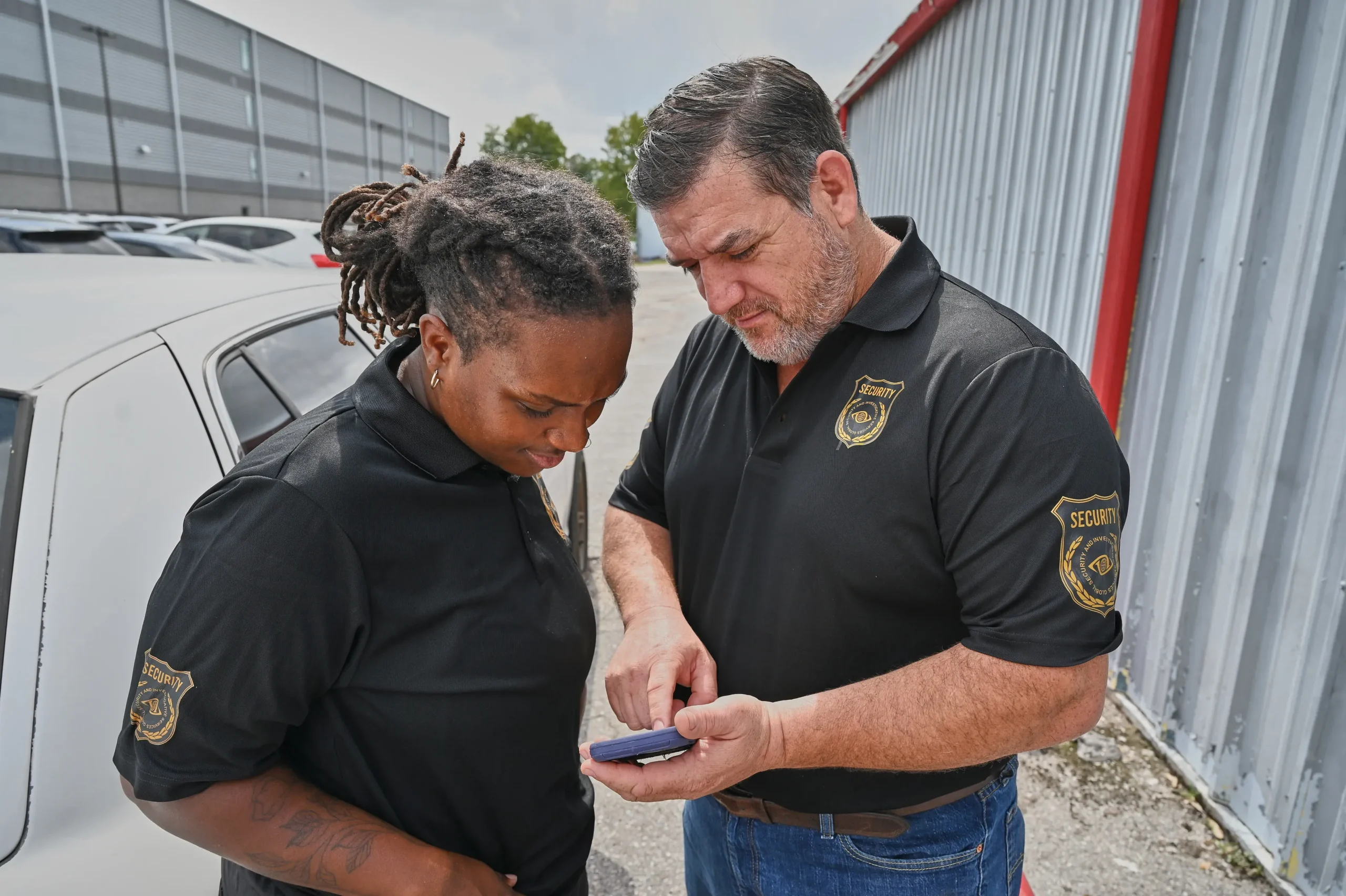
Professional bodyguards play multiple critical roles in ensuring the safety of corporate executives and VIPs. Their responsibilities not only involve providing physical protection but also encompass a broader range of security measures that enhance overall well-being. Key roles include:
- Personal Protection: Bodyguards provide tailored personal protection strategies that adapt to their clients’ individual needs.
- Threat Assessment and Risk Management: Evaluating potential risks and implementing strategies to mitigate them is essential for a proactive approach to security.
- Secure Transportation: Protecting clients during travel, bodyguards are responsible for safe transit logistics, including vehicle selection and route planning.
- Event Security Coordination: Bodyguards also oversee security arrangements for events, ensuring controlled access and safety in potentially challenging environments.
Understanding these roles highlights the versatile capabilities of bodyguards in managing a range of security scenarios.
Essential Skills
To perform effectively, professional bodyguards must cultivate a set of specialized skills. These skills are crucial not only for their immediate job functions but also for interacting with clients and stakeholders. Key skills include:
- Situational Awareness: The ability to assess environments and identify potential threats before they materialize is paramount.
- Conflict De-escalation: Bodyguards must be trained to defuse tense situations, minimizing harm to clients and others.
- Emergency Response: Quick, efficient responses to emergencies can save lives, making this skill essential in high-risk situations.
- Discretion and Confidentiality: Maintaining client privacy and discretion is crucial to preserving their reputation and safety.
These competencies ensure that bodyguards can navigate a range of scenarios effectively, enhancing their ability to protect their clients.
Typical Procedures
Professional bodyguards adhere to a series of established procedures that enhance their operational effectiveness. Understanding these procedures provides insight into how security personnel work to protect clients. Typical procedures include:
- Pre-Engagement Assessment: Evaluating potential threats and client needs before taking on a protective role.
- Advance Planning: Detailed logistical planning for travel, events, and other engagements to anticipate challenges.
- Continuous Monitoring: Ongoing situational awareness ensures bodyguards can react swiftly to any changes.
- Regular Training: Continual skills development is necessary to stay current with the latest security techniques and technologies.
These procedures underscore the rigorous framework that governs how bodyguards operate under varying circumstances.
Key Roles and Duties of Professional Bodyguards
Professional bodyguards are entrusted with specific responsibilities to safeguard high-profile individuals. Their duties can vary significantly depending on the context, but commonly include:
- Personal Protection: Implementing tailored strategies to ensure the safety of clients.
- Threat Assessment and Risk Management: Identifying vulnerabilities and minimizing risks based on thorough evaluations.
- Secure Transportation: Managing logistics and conducting route planning to enhance safety during travel.
- Event Security Coordination: Offering on-site security management to maintain safety at public or private events.
These duties illustrate the multifaceted nature of executive protection and the critical need for skilled professionals in this field.
How Do Close Protection Officers Ensure VIP Personal Security?
Close protection officers ensure VIP personal security through meticulous planning and execution of security measures. Their approach typically involves:
- Threat Assessment and Risk Management: Identifying potential threats through detailed planning and intelligence gathering.
- Customized Security Plans: Developing tailored security strategies that align closely with client requirements and the specific context of their environment.
- Advance Planning: Implementing preventive measures to address potential security issues before they arise.
- Secure Transportation: Ensuring clients are protected during travel through organized logistics and route management.
- Crowd Management and Controlled Access: Utilizing effective crowd management strategies to maintain order and ensure safety during public appearances.
These strategies are essential for minimizing risks and assuring the safety of high-profile individuals in diverse circumstances.
Risk Assessment and Threat Mitigation Processes
Risk assessment in executive protection involves evaluating potential hazards and formulating strategies to mitigate them. This process is pivotal in developing effective protection strategies. Key components include:
- Information Gathering: Collecting intelligence from various sources to identify potential threats to clients.
- Threat Evaluation: Assessing the credibility and seriousness of identified threats based on gathered information.
- Risk Prioritization: Determining the level of risk associated with different threats to focus protection efforts effectively.
- Custom Security Plan Development: Crafting security plans that address prioritized risks while accommodating client needs.
This comprehensive approach ensures that protection strategies are not only responsive but also proactive, enhancing client safety.
Training and Certifications Required for Professional Executive Protection Officers
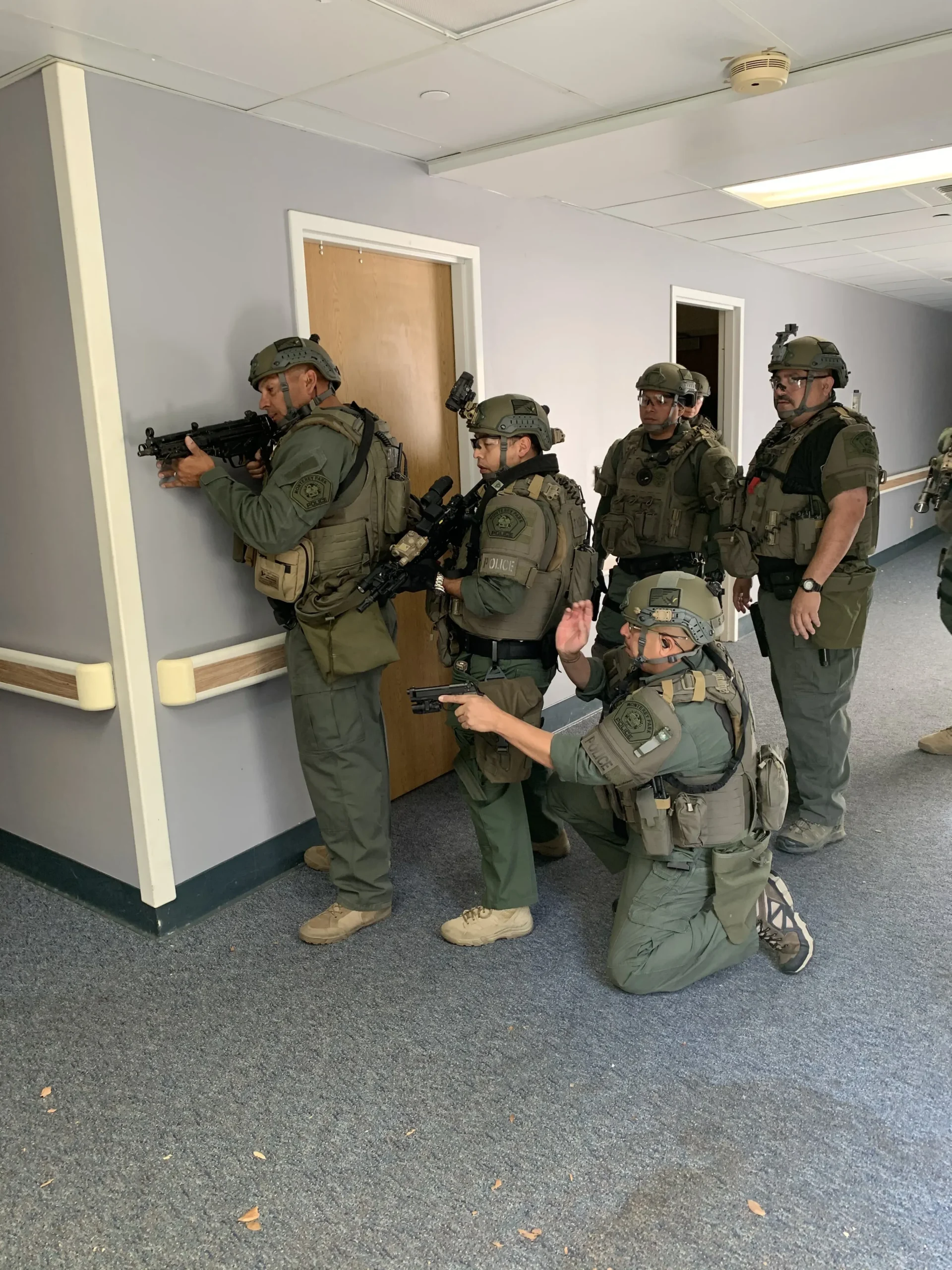
Training and certification are critical components of preparing executive protection officers for their roles. Proper training equips bodyguards with the necessary skills to perform effectively. Essential training elements include:
- Specialized Courses: Comprehensive courses focused on various aspects of executive protection, including physical security and threat assessment.
- Certifications: Obtaining recognized certifications that validate professional competencies and enhance credibility in the field.
- Qualifications: Meeting educational and experiential criteria essential for high-stakes protective roles.
- Ongoing Training: Continuous education to keep pace with evolving security landscapes and advancements in protection tactics.
These training elements highlight the importance of professional development within the executive protection community.
Close Protection Officer Training Programs
Various training programs are designed to equip close protection officers with the necessary skills and knowledge for effective service. Some essential components found in these programs include:
- Advanced Technology Training: Incorporating emerging technologies into protective strategies enhances situational awareness and response.
- Real-Time Monitoring and Communication: Preparing officers to use technology for improved communication and situational awareness.
- Scenario-Based Training: Engaging with realistic scenarios helps sharpen decision-making and reaction skills essential for bodyguards.
- Continuous Improvement: Instituting feedback and assessment mechanisms ensures ongoing skill development.
These program components are vital for preparing bodyguards to handle diverse security challenges effectively.
Training Practices Incorporating Emerging Security Technologies
Integrating emerging technologies into training enhances bodyguards’ preparedness and effectiveness. Key training practices that incorporate these technologies include:
- Advanced Technology Training: Familiarizing officers with the latest technologies used in personal protection.
- Real-time Monitoring: Utilizing integrated systems to improve situational awareness through live data analysis.
- Scenario-Based Training: Simulating emergency situations where technology plays a critical role in response and mitigation.
- Continuous Improvement: Regularly updating training curriculums to include the latest technological advancements.
Incorporating technology into training practices strengthens bodyguards’ capabilities to manage modern security risks.
Technology Enhancements for Personal Protection
Advances in technology have led to significant enhancements in the personal protection strategies employed by bodyguards. Essential technologies include:
- Secure Communications: Utilizing encrypted channels for secure communication among security personnel and clients.
- GPS Tracking: Monitoring movements in real-time enhances situational awareness and safety during transit.
- CCTV Integration: Employing surveillance systems to provide ongoing monitoring of environments for potential threats.
- Smart-Home Systems: Integrating home security with technology to create safe living environments for clients.
These technological enhancements significantly improve bodyguards’ response times and overall protective measures.
Common Devices Used by Security Details
The effective use of technology in executive protection involves a range of devices that enhance security operations. Prominent devices include:
- GPS Tracking Devices: Essential for real-time client monitoring during travel.
- Secure Communication Devices: Ensure that communications between team members remain confidential and secure.
- Advanced Surveillance Systems: Providing visual monitoring to detect and mitigate threats before they escalate.
- Biometric Access Controls: Enhancing security at entry points to ensure only authorized individuals gain access.
These devices play a crucial role in the overall effectiveness and adaptability of security details.
Secure Transport Management in Executive Protection
Managing secure transportation is paramount for the effectiveness of executive protection services. Various factors contribute to this, including:
- Protocols: Establishing security protocols that guide movement and transport operations.
- Vehicle Selection: Choosing appropriate vehicles that balance visibility and security ensures safer transit.
- Communication Methods: Ensuring effective communication through reliable channels to maintain situational awareness.
- Logistics Considerations: Planning routes that minimize risk, factoring in traffic patterns and potential hazards.
These considerations underpin the strategies that bodyguards implement to ensure safe and secure travel.
Legal and Ethical Considerations
Executive protection operates within a framework of legal and ethical guidelines that are essential to practice. Key considerations include:
- Licensing and Compliance: Adhering to regulatory requirements that govern the use of force and protective measures.
- Insurance and Liability: Understanding the liabilities associated with protective roles to ensure proper coverage is in place.
- Client Confidentiality: Upholding a commitment to privacy in all interactions and safeguarding sensitive information.
- Discretionary Practices: Integrating ethical decision-making in scenarios that involve delicate or sensitive client matters.
Understanding these legal and ethical dimensions frames the practice of executive protection, ensuring that services are rendered responsibly. In this complex field, proper insurance and liability understanding is crucial for professional operation.
How Laws Regulate Executive Protection Services
Laws surrounding executive protection services create the boundaries within which bodyguards operate. Important aspects include:
- Licensing and Compliance: Requirements for individuals in the executive protection industry to obtain proper licenses that reflect their qualifications.
- Use of Force: Guidelines that dictate appropriate use of force in the context of protective services to minimize liability.
- Confidentiality and Privacy: Legal obligations regarding client confidentiality ensure that personal data remains secure.
- Training and Standards: Regulations that dictate the requisite training levels and standards that bodyguards must meet to operate legally.
These regulatory components emphasize the importance of professionalism within the executive protection sector, especially when clients require services that extend beyond standard security, such as specialized criminal investigations.
Ethical Practices Ensuring Client Confidentiality
Ethical practices play a vital role in maintaining client confidentiality in executive protection. Key ethical considerations encompass:
- Client Confidentiality: Committing to keeping all information regarding clients and their activities confidential.
- Discretion in Operations: Ensuring that all actions taken by bodyguards are conducted with sensitivity and respect for client privacy.
- Respect for Client Preferences: Bodyguards should adhere to client wishes regarding disclosure and participation in various activities, respecting their autonomy.
Implementing these ethical practices not only safeguards client privacy but also builds trust and confidence in the services provided by bodyguards. This trust is often bolstered by thorough background checks and due diligence processes.