Key Takeaways: Security Guard Roles at Construction Sites
By Humberto Barrera, Global Security & Investigative Services
Construction sites are bustling environments that present a unique set of safety challenges. The presence of security guards is crucial in ensuring the safety of workers, preventing theft, and maintaining order at these sites. This article dives deep into the essential roles security guards play, the technologies they utilize, and the protocols they follow to ensure a secure environment. Readers will gain insights into how security measures help mitigate risks associated with construction sites, from access control to emergency responses. By understanding the systematic approach taken by security personnel, we can appreciate the blend of human vigilance and advanced technology that enhances site safety.
Essential Roles:
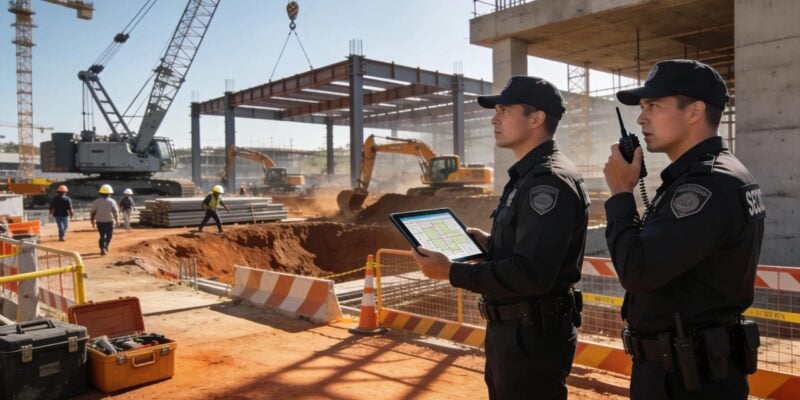
Security guards at construction sites are tasked with several critical responsibilities that contribute to overall safety. These roles include:
- Access Control: Guards manage the entry and exit points of the site, ensuring that only authorized personnel have access. This helps to prevent unauthorized individuals from entering and posing potential threats.
- Monitoring Activities: Continuous surveillance of the site is crucial. Security personnel observe activities, ensuring compliance with safety standards and identifying any suspicious behaviors.
- Emergency Response: In the event of an emergency, security guards are trained to act swiftly. They coordinate with emergency services and lead evacuation procedures to ensure the safety of all individuals on-site.
- Crowd and Traffic Management: Guards help manage the movement of people and vehicles on construction sites, ensuring that operations run smoothly without compromising safety.
- Collaboration: Security personnel often liaise with construction managers and other stakeholders to ensure everyone adheres to safety protocols and procedures.
With these roles in mind, the integration of advanced technology in their day-to-day operations becomes increasingly essential.
Technologies Utilized:
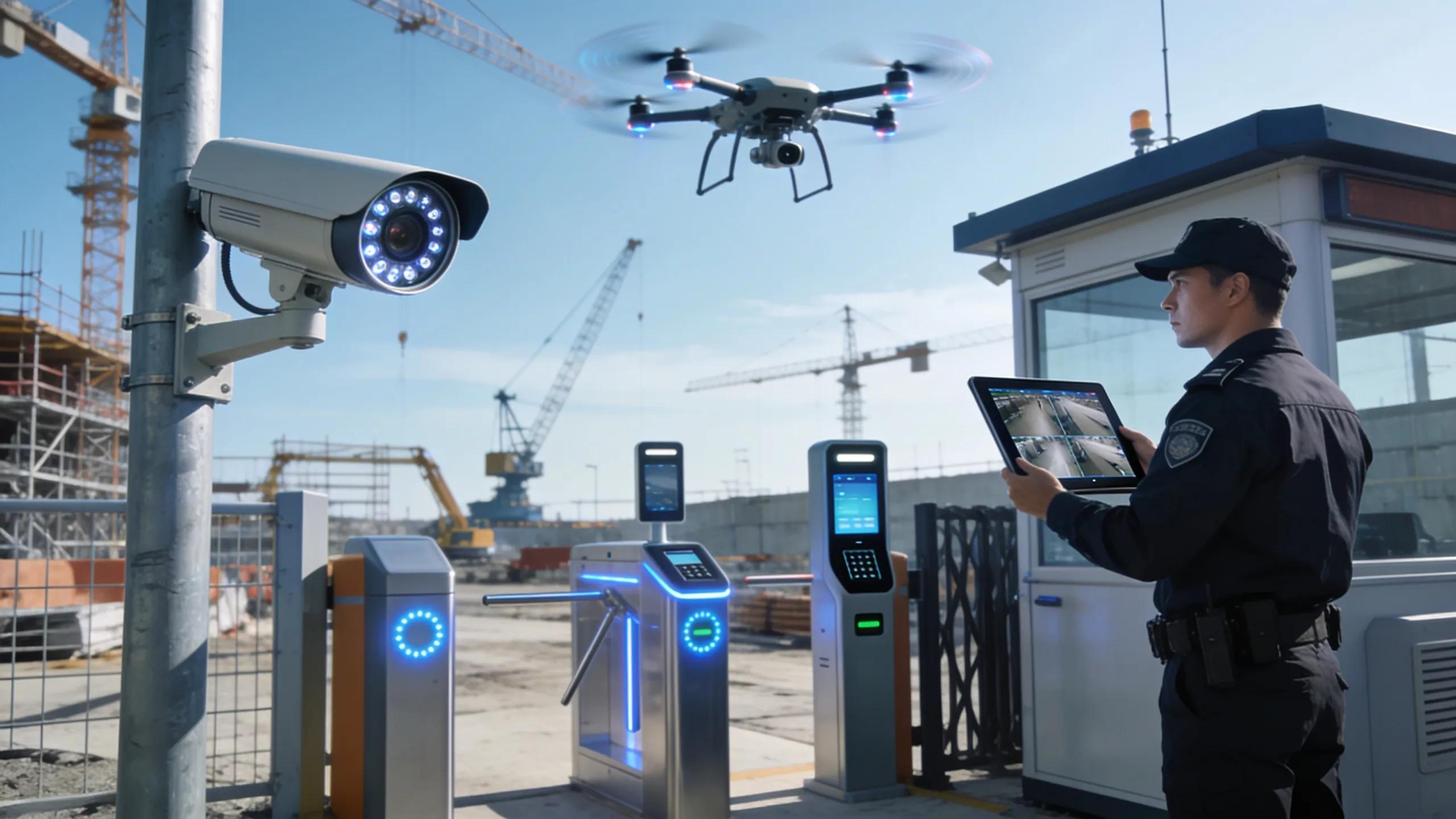
The security industry has embraced various technologies to enhance the safety and efficiency of construction sites. Key technologies include:
- Surveillance Equipment: CCTV cameras provide real-time monitoring of the site, allowing guards to detect potential threats or incidents as they occur.
- Access Control Systems: Modern access control systems use biometric identifiers or key cards to regulate entry, ensuring that only authorized personnel can access specific areas.
- Drones: An emerging tool in construction site security, drones offer aerial surveillance capabilities, providing a broader view of the site and helping to identify potential security breaches.
- Mobile Communication Devices: Walkie-talkies and smartphones facilitate efficient communication among security personnel, allowing for rapid reporting and coordination during incidents.
These technological advancements work hand-in-hand with the pivotal roles security guards play onsite, creating an integrated security strategy.
The continued advancement and adoption of technology are crucial for creating a safer and more secure construction environment, moving beyond traditional reactive measures to proactive prevention.
Advanced Technologies for Proactive Construction Site Safety
The construction industry remains one of the most hazardous sectors worldwide, consistently reporting high rates of workplace accidents, injuries, and fatalities. Traditional safety management approaches, while essential, are often reactive and limited in their ability to predict and prevent incidents. As the industry evolves, there is an urgent need for a paradigm shift toward more proactive and technology-driven safety strategies. This study investigates the implementation of advanced technologies—including the Internet of Things (IoT), Artificial Intelligence (AI), Virtual Reality (VR), Augmented Reality (AR), unmanned aerial vehicles (drones), and wearable safety devices—to significantly enhance safety outcomes on construction sites. Implementing advanced technologies for enhanced construction site safety, 2025
Protocols Followed for Safety:
Security guards adhere to specific protocols designed to maintain safety and security at construction sites. These protocols include:
- Regular Patrols: Guards routinely patrol the site to deter potential threats and to ensure all safety measures are being followed. These patrols are often conducted at scheduled intervals.
- Emergency Protocols: In preparation for emergencies, guards are trained to follow specific guidelines that outline how to respond to various scenarios, such as fires, accidents, or unauthorized access.
- Safety Compliance Monitoring: Security personnel ensure that construction workers are following safety equipment guidelines, reducing the risk of injury on site.
- Incident Reporting: Any incidents, whether significant or minor, are documented in detail to maintain a record for future analysis and improvement of safety protocols.
The effectiveness of these protocols significantly enhances overall site safety, demonstrating the importance of security guards in construction management.
What Are the Key Responsibilities of Security Guards on Construction Sites?
The responsibilities of security guards extend beyond merely watching over the site; they encompass various critical functions that lead to overall safety. Guards manage access to the construction site, ensuring that only authorized personnel can enter. They conduct regular surveillance and patrols to monitor activities effectively and implement emergency response protocols when necessary. This holistic approach encompasses the prevention of unauthorized access, incident management, and compliance monitoring, solidifying their vital role in maintaining a secure environment.
How Do Security Guards Conduct Effective Construction Site Patrols and Surveillance?
Effective patrols on construction sites require a strategic approach. Security guards establish systematic patrol routes that cover all essential areas, ensuring no spots are left unattended. They utilize surveillance equipment, such as cameras and sensors, to enhance their monitoring capabilities. Additionally, communication tools are vital during these patrols, as they allow guards to report findings swiftly and adjust their strategies based on observed conditions. This combination of organized patrol routes and real-time surveillance significantly boosts the overall security of the site.
What Procedures Do Security Guards Follow for Incident Reporting and Investigation?
Incident reporting and investigation procedures are critical components of security management on construction sites. Guards follow strict protocols that include:
- Incident Reporting: Every incident, regardless of severity, is reported using standardized forms to ensure consistent documentation.
- Notification of Authorities: When necessary, guards are trained to notify local law enforcement or emergency services to respond appropriately to serious incidents.
- Investigation Procedures: After an incident occurs, guards engage in preliminary investigations, gathering evidence and witness statements to provide a detailed report for further analysis.
This structured approach enhances accountability and aids in assessing the effectiveness of current safety measures.
How Do Site Access Control Systems Complement Security Guard Duties?
Site access control systems serve as a crucial addition to security guard duties by providing an automated layer of security. These systems include functionalities such as:
- Functionality of Access Control Systems: They monitor who enters and exits the site, logging timestamps and identifying personnel through technology such as RFID badges.
- Integration with Security Protocols: Access control systems work in tandem with human oversight, creating a multi-layered security framework that combines technology with personnel vigilance.
- Benefits for Site Safety: By regulating access, these systems help eliminate the potential for unauthorized entry and enhance the overall safety and security of construction sites.
The combination of human oversight and technology creates a robust security presence, essential for managing the unique risks of construction environments.
How Do Security Guards Monitor and Enforce Access Control Protocols?
Monitoring and enforcing access control protocols is a critical function of security guards. They utilize:
- Use of Surveillance Cameras: Security cameras help guards monitor entry points in real time, allowing for immediate detection of policy violations.
- Credential Verification: Guards are responsible for verifying the credentials of individuals attempting to enter the site, ensuring compliance with access protocols.
- Emergency Response in Case of Breaches: Should unauthorized access occur, guards are trained to respond swiftly, notifying authorities and taking necessary action to maintain site security.
This proactive approach enhances the efficacy of access control measures, reducing risks to personnel and equipment.
What Specialized Training and Certifications Do Construction Site Security Guards Require?
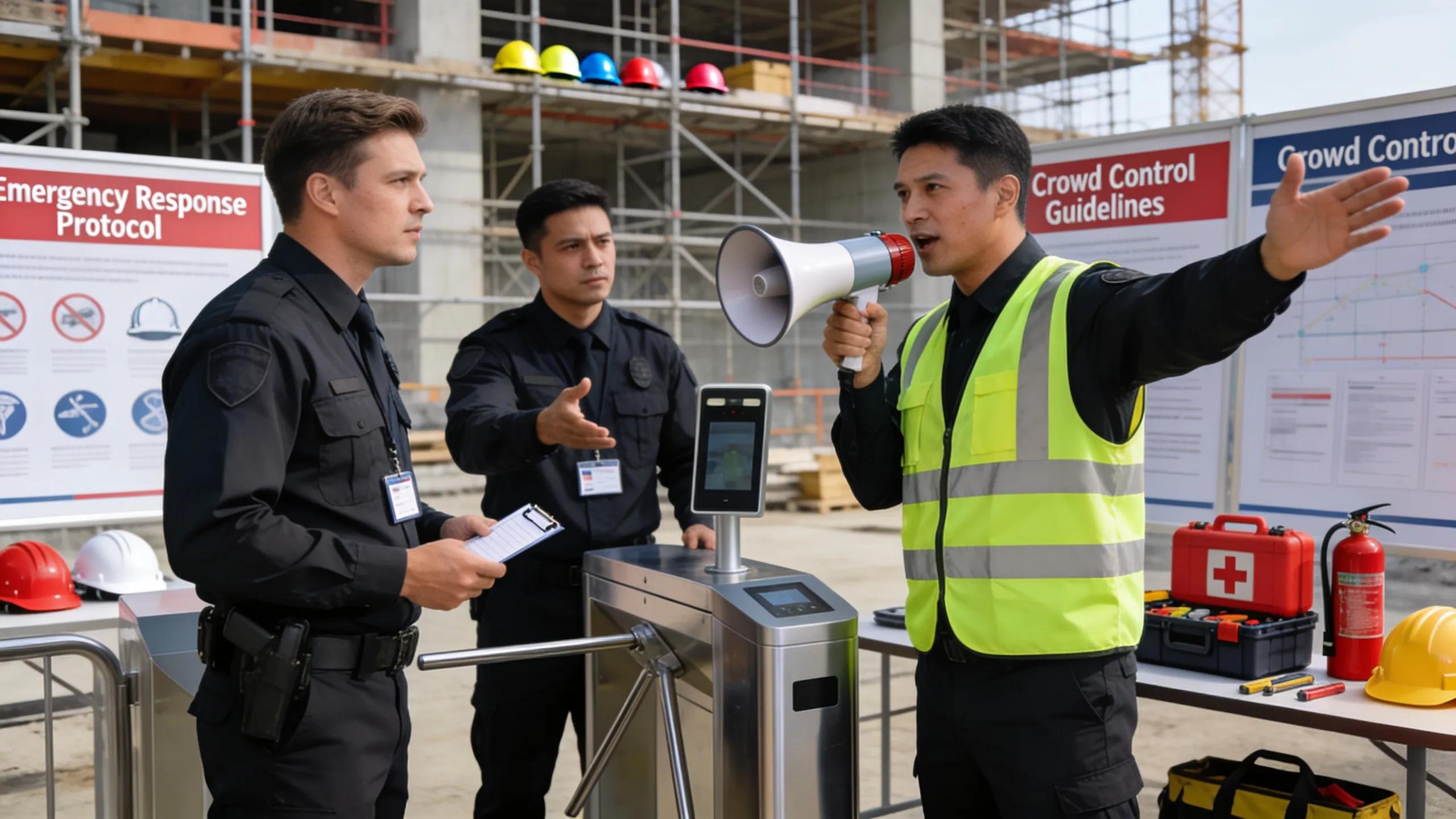
Security guards operating on construction sites require specialized training and certifications to ensure their effectiveness. Important training includes:
- Emergency Response Training: Understanding how to respond in emergencies is crucial, with training that covers first-aid procedures and evacuation tactics.
- Access Control Management Training: Guards learn how to use access control systems effectively, ensuring that they can manage site entry seamlessly.
- Crowd Management Training: This training helps security personnel handle situations involving large groups or chaotic environments, ensuring safety remains a priority.
By equipping guards with relevant knowledge and skills, construction sites can benefit from a higher level of safety and security.
How Does Training Prepare Guards for Emergency Response and Incident Management?
Training is essential for preparing guards for emergency response and incident management. Guards gain:
- Knowledge of Site Safety Protocols: Comprehensive training ensures that guards are familiar with all safety protocols in place, which is vital during emergencies.
- Coordination with Emergency Services: Proper training facilitates effective communication and collaboration with local emergency responders during incidents.
- First Aid Training: Guards often receive first aid training to provide immediate assistance to injured individuals until professional help arrives.
This preparedness underscores the significant role security guards play not just in daily operations but also in crisis situations.
How Are Modern Security Technologies Integrated with Guard Services at Construction Sites?
The integration of modern security technologies with guard services enhances overall site security. Key aspects include:
- AI-Driven Surveillance Systems: These advanced systems analyze surveillance footage in real-time, flagging anomalies and alerting guards to potential threats immediately.
- Drones for Aerial Monitoring: Drones provide a unique perspective on site security, allowing for quick assessments of larger construction areas and monitoring hard-to-reach locations.
- Mobile Communication Devices: State-of-the-art communication tools ensure guards can share information rapidly and coordinate with their teams effectively during operations.
Combining technology with human oversight results in a formidable security presence that can adapt to the dynamic nature of construction sites.
What Surveillance Systems Support Security Guards in Monitoring Construction Areas?
Surveillance systems are a fundamental component of security measures at construction sites. Available systems provide various advantages, including:
- Video Surveillance Cameras: These cameras capture real-time video footage, allowing guards to monitor activities continuously.
- Drones for Monitoring: Taking aerial views allows for comprehensive monitoring of construction areas, identifying potential risks from above.
- Access Control Systems: These systems also play a role in surveillance, ensuring those entering the site are verified and authorized.
The integration of these systems supports guards in performing their roles effectively, ensuring a safer environment for all.
How Does Technology Improve Theft Prevention and Risk Management on Sites?
Technological advancements have greatly influenced theft prevention and risk management on construction sites. Notable improvements include:
- Real-Time Monitoring Benefits: Continuous monitoring helps deter potential thieves by increasing the likelihood of being caught.
- Data Analytics for Identifying Trends: The use of data analytics allows security personnel to spot patterns in activities, helping identify high-risk times or locations.
- Deter Theft and Vandalism: The presence of surveillance technology acts as a strong deterrent, making potential thieves reconsider their actions.
These technological enhancements significantly bolster security measures, making construction sites less attractive targets for crime.
What Are the Recommended Construction Site Safety Protocols for Security Personnel?
Construction site safety protocols are vital for guiding the actions of security personnel. These protocols encompass:
- Access Control Management: Ensuring that all personnel entering the site are authorized and have the proper credentials.
- Regular Patrols: Conducting routine checks across the site to ensure all areas remain secure while monitoring for any unusual activities.
- Emergency Response Procedures: Having clear guidelines in place for how to act in case of various emergencies, including evacuations and contacting emergency services.
By adhering to these protocols, security personnel can help reduce hazards and maintain a safe working environment.
How Do Security Guards Enforce Standardized Safety Guidelines on Site?
Enforcing standardized safety guidelines is a key responsibility of security guards. Their methods include:
- Access Control Policies: Guards ensure everyone entering the site complies with established access protocols to maintain site integrity.
- Regular Inspections: Conducting inspections to ensure that workers are utilizing safety equipment appropriately.
- Incident Documentation: Recording any incidents that occur, allowing for adjustments in safety practices when necessary.
Through these efforts, security personnel play a pivotal role in upholding safety standards across construction sites.
What Emergency Response Strategies Are Followed by Security Guards?
Security guards are trained in several emergency response strategies that are crucial during incidents. These strategies encompass:
- Situation Assessment: Quickly assessing the circumstances to determine the appropriate course of action during emergencies.
- Evacuation Procedures: Implementing safe and efficient evacuation strategies for personnel on-site, prioritizing their safety.
- Coordination with Authorities: Maintaining communication with emergency services to provide them with real-time updates and information regarding the situation.
Such strategies reflect the preparedness of security personnel, allowing them to manage emergencies effectively.
What Do Recent Case Studies and Statistics Reveal About Construction Site Security Effectiveness?
Recent research highlights the significance of effective security measures in construction environments. Data indicates that sites with robust security protocols experience:
- Reduction in Theft Incidents: Statistics show that construction sites with dedicated security personnel see a decrease in theft rates compared to those without.
- Increased Compliance with Safety Regulations: Case studies demonstrate that sites employing security guards exhibit higher compliance rates with safety regulations.
- Overall Improvement in Safety: Statistical analyses reveal that the presence of security personnel greatly enhances the sense of safety among workers, leading to higher productivity.
These findings underscore the importance of investing in capable security measures to foster safe work environments in the construction industry.
What Are the Latest Trends in Construction Site Theft and Vandalism?
The landscape of construction site security is changing due to evolving trends in theft and vandalism. Current trends suggest:
- Increased Use of Drones: Thieves may leverage drones for reconnaissance, allowing them to identify vulnerabilities within a site before executing theft.
- Targeted Theft of Equipment: Recent data indicates that construction equipment is a primary target for theft due to its value, leading to calls for enhanced security measures.
- Collaborative Crimes: There is a growing trend of organized thefts where multiple individuals collaborate, making it more crucial for security to be vigilant and proactive.
Keeping abreast of these trends enables security personnel to adapt their strategies, ensuring effective protection against such risks.
Despite advancements in technology, the human element of security, particularly dedicated watchmen, remains a highly effective and frequently utilized measure in combating theft and vandalism on construction sites.
Effective Security Measures for Theft and Vandalism Control at Construction Sites
The findings showed that the most effective and often utilized security measure on construction sites is the hiring of watchmen, with security cameras, alarm systems, and warning signs being the least frequently employed. Sites would most likely be protected from theft by effective implementation of the most important security measures while also guaranteeing that the value for money invested in sit Theft and vandalism control measures on construction sites, 2023
How Have Security Guards and Technology Reduced Incidents on Construction Sites?
The combination of skilled security guards and advanced technology has significantly decreased incidents on construction sites. Key factors include:
- Increased Surveillance Coverage: The deployment of surveillance cameras and drones provides comprehensive monitoring, thus deterring unauthorized activities.
- Enhanced Communication: Security personnel equipped with modern communication devices facilitate swift responses to incidents, ensuring prompt intervention.
- Proactive Risk Management: The integration of technology allows for the analysis of data to identify trends, enabling security personnel to implement preemptive measures.
This collaborative approach illustrates that modern security strategies effectively enhance safety and reduce incident rates on construction sites.