

Understanding Private Security Services in Texas: Licensing, Types, and Hiring Licensed Guards
By Humberto Barrera, Global Security & Investigative Services
Private security services play a vital role in maintaining safety and security, especially in a diverse state like Texas. As individuals and businesses seek reliable protection, understanding the intricacies of private security services becomes essential. This article provides an insightful overview of licensing requirements, various types of services available, and key guidelines for hiring licensed guards in Texas. As the demand for security measures increases, so does the importance of compliant, well-trained personnel in navigating this landscape.
Licensing Requirements
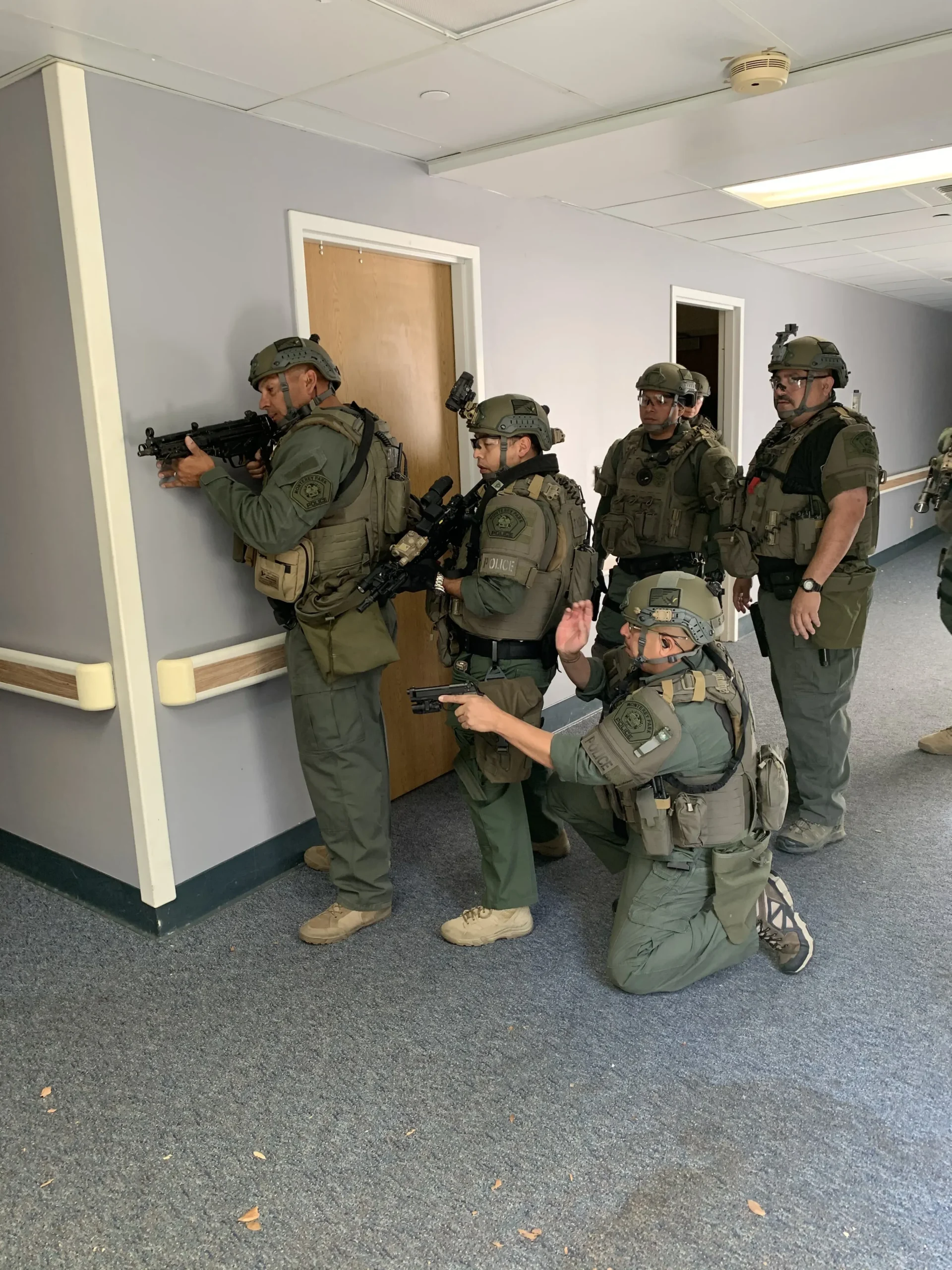
Licensing requirements for security personnel in Texas are governed to ensure the safety and trustworthiness of security services. The Texas Department of Public Safety (DPS) oversees the licensing process, emphasizing the importance of background checks and training programs. All individuals seeking to work as licensed security guards must comply with specific regulatory guidelines, which play a crucial role in maintaining public safety.
Evolution of Security Guard Licensing and Training Standards
There has been a steady increase in security guard employment in the United States in recent decades. Data estimates for 2010 suggest that there are over 10 000 security companies in the United States, employing 1 046 760 guards. While security guards differ from law enforcement officers in many ways, they are similar to the extent that their activities bring them in close contact with citizens, and this raises issues of professionalism and accountability. Yet, relative to police officers, security guard training and licensing standards are not well established and in some contexts there are no regulations for security guards. The threat of terrorism has resulted in greater attention being paid to security guards for their role in safety and security work in the post 9/11 era; however, the extent to which this has affected licensing and training requirements for security guards is unclear. This study examines the nature and extent of security guard licensing and the minimum standards states impose on the industry. It also compares data from 1982 and 1998 with data from 2010, in order to determine whether states have increased the minimum standards relating to security guard regulations over the past 10 years.Have the standards for private security guards become more stringent in the post 9/11 era? An assessment of security guard regulations in the US from 1982 to 2010, MK Nalla, 1982
Types of Services Available
Numerous services are provided by private security companies in Texas, catering to varied security needs. These services typically fall into categories such as armed security, unarmed security, event security, and executive protection. Each type of service utilizes trained personnel to respond effectively to different security challenges, ensuring maximum protection for clients.
Guidelines for Hiring Licensed Guards

When hiring licensed guards in Texas, there are several significant guidelines to consider. Verification of licensing through the Texas DPS is paramount, as it confirms that security personnel have met the necessary training and background requirements. Additionally, businesses should assess their specific security needs and ensure that emergency preparedness is a key focus during the hiring process. This attention to detail fosters a safer environment for all parties involved.
What are the Texas Security Guard Licensing Requirements?
The security guard licensing requirements in Texas are designed to provide a structured approach to security services while ensuring the integrity of personnel. Individuals interested in becoming licensed security guards must undergo a comprehensive licensing process that includes both background checks and specific training programs tailored for armed and unarmed guards. Understanding these requirements is instrumental for anyone preparing for a career in private security.
Which agencies regulate security guard licenses in Texas?
The primary agency responsible for regulating security guard licenses in Texas is the Texas Department of Public Safety. The DPS plays a critical role in overseeing all licensing processes, ensuring that applicants meet the high standards set forth in the state’s regulatory framework. This agency is also responsible for monitoring ongoing compliance, which includes conducting background checks and enforcing training requirements. Businesses that engage security personnel must be aware of these regulations to maintain lawful and effective security operations.
How to comply with armed and unarmed security guard licensing?
Compliance with armed and unarmed security guard licensing in Texas involves specific training requirements and the completion of an application process. Armed security personnel must complete additional training focusing on firearm safety and legal responsibilities. Documentation needed for compliance includes proof of training completion and a clean background check. These measures ensure that all licensed guards operate within the bounds of the law while effectively managing any security situation.
What Types of Private Security Services Are Available in Texas?
Private security services in Texas are diverse, catering to a wide range of needs across offer specific advantages due to their ability to respond to potentially dangerous situations while serving assectors. These services can be broadly classified into two categories: armed and unarmed security services.
How do armed and unarmed security guard services differ?
Armed security services hold specific advantages due to their capacity to respond to potentially dangerous situations while presenting a visible deterrent to crime. In contrast, unarmed security offers a less confrontational approach, which can be suitable for environments where a visible armed presence might not be necessary. Understanding these differences helps businesses choose the right type of service based on their unique security concerns.
Which investigative security services support private security operations?
Investigative security services complement private security operations by providing essential support in areas such as fraud detection, criminal investigations, and asset recovery. These services work in tandem with traditional security measures, offering businesses a comprehensive approach to risk management. By utilizing specialized investigative teams, companies can enhance their overall security posture against potential threats. To better understand how these services function, consider exploring fraud detection and investigation services in Texas.
How to Hire Licensed Security Guards in Texas?
Hiring licensed security guards involves a systematic approach to ensure that qualified personnel are selected for the task. Understanding the qualifications and experience of potential guards is essential for selecting the right fit for specific security needs.
What should you look for in professional security companies in Texas?
When evaluating professional security companies in Texas, businesses should check qualifications, certifications, and reviews from client testimonials. This due diligence is critical in determining the reliability and effectiveness of a security provider. Additionally, companies should explore the providers’ compliance with state regulations, ensuring that they hire licensed guards who meet all legal requirements. Conducting thorough due diligence is paramount for selecting the right security partner.
How do private security companies combine guard services and investigative support?
Many private security companies effectively combine guard services with investigative support, offering a multifaceted approach to security. This integration allows businesses to benefit from both preventive measures and thorough investigations when security incidents occur. Understanding how these services work together can provide added peace of mind for clients looking to enhance their security arrangements, particularly when dealing with complex issues like workers’ compensation investigation services in Texas.
What Are Standard Costs and Contract Options for Security Guard Services in Texas?
When considering security services, it’s essential to understand the standard costs and contract options associated with hiring licensed guards. These factors significantly inform the planning and budgeting processes for businesses seeking security.
How do costs vary between armed and unarmed security guards?
Costs for security guard services can vary significantly based on whether the guards are armed or unarmed. On average, armed guards typically incur higher fees due to the additional training and risk involved, while unarmed guards tend to have a lower cost structure. This distinction is crucial for businesses planning their security budgets and seeking to allocate resources effectively.
What contract types are commonly offered by Texas security companies?
Texas security companies offer several contract types to meet diverse client needs. Common arrangements include short-term contracts for temporary events and long-term agreements for ongoing protection needs. Each contract type has unique features and conditions, allowing businesses to choose the option that best aligns with their security requirements and financial constraints.